
Popular Tools For Managing Shrub Trimmings With Precision
Discover expert-recommended products that help you achieve clean cuts and tidy shrub maintenance with minimal effort.
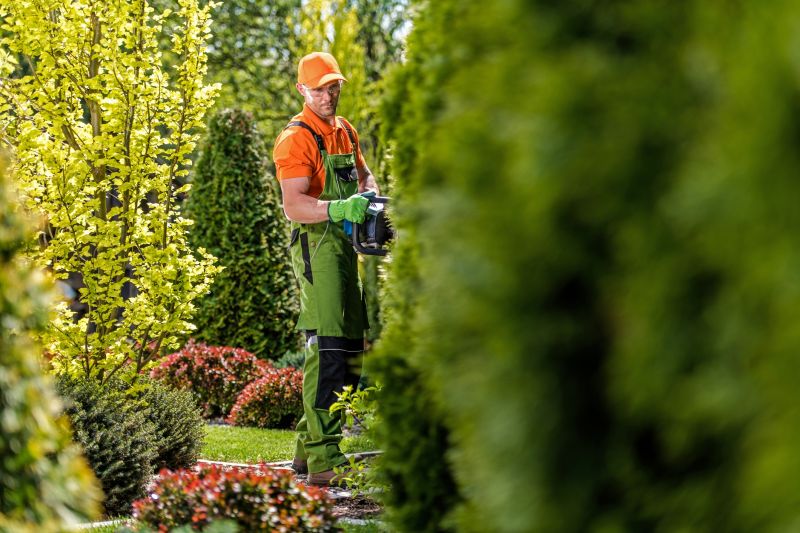 Maintaining healthy and well-shaped shrubs is an essential part of yard care, especially in regions like Charleston, WV, where seasonal changes can impact plant health. Proper shrub trimming not only enhances the aesthetic appeal of your landscape but also promotes the overall vitality of your plants. Selecting the right tools for shrub trimmings ensures clean cuts, reduces plant stress, and facilitates easier maintenance. From manual pruners to powered equipment, there is a variety of products designed to meet different trimming needs and preferences.
Top Overall Option
Multi-Function Shrub Trimming Kit
This comprehensive trimming kit offers a selection of manual pruners, shears, and loppers designed for various shrub sizes and trimming tasks. Its ergonomic handles and sharp blades provide comfortable, precise cuts, making shrub maintenance more manageable. Ideal for home gardeners seeking a versatile and reliable set, this kit supports healthy shrub growth and aesthetic shaping.
Types of Products For Shrub Trimmings
Manual Pruners
Compact tools perfect for precise cuts on small branches and shaping shrubs.
Bypass Shears
Ideal for clean cuts on live plant material, offering smooth trimming for delicate branches.
Anvil Pruners
Suitable for thicker, woody branches, providing strong leverage for heavy-duty trimming.
Loppers
Long-handled tools designed to reach and cut larger branches with minimal effort.
Hedge Trimmers (Corded/Rechargeable)
Power tools for trimming and shaping hedges and dense shrubbery efficiently.
Pole Pruners
Extendable tools that allow trimming of high or hard-to-reach branches without a ladder.
Electric Shrub Shears
Battery-powered shears that facilitate quick shaping and trimming of medium-sized shrubs.
Manual Hedge Shears
Traditional scissors-style tools for shaping and trimming hedges and bushes.
Tree Pruners
Specialized for pruning small trees and large shrubs, often with extendable handles.
Battery-Powered Trimmers
Cordless options that combine power and mobility for efficient shrub maintenance.
Heavy-Duty Pruning Saws
Tools for removing larger branches or deadwood from shrubs and small trees.
Bypass Loppers
Sharp, curved blades designed for clean cuts on live, woody branches.
Cordless Hedge Clippers
Rechargeable trimmers that offer convenience and ease of use for shaping hedges.
Manual Shrub Rakes
Tools to gather and remove trimmed debris efficiently after pruning sessions.
Pruning Knives
Small, precise blades for detailed trimming and shaping of shrubs.
Popular Choices
Popular for their portability and ease of use in shaping dense shrubbery.
Favored for their clean cuts and versatility on various shrub sizes.
Chosen for their ability to reach and trim thicker branches comfortably.
Noted for quick shaping of medium-sized shrubs with minimal effort.
Ideal for high or hard-to-reach branches, making maintenance safer and easier.
Popular for removing larger, woody branches during seasonal pruning.
Preferred for their mobility and consistent power in shrub trimming tasks.
A classic choice for precise hedge shaping and trimming.
Tools combining trimming and debris collection for efficiency.
Convenient for homeowners needing a versatile set for regular shrub care.
Popular among professionals and serious gardeners for demanding tasks.
Favored for their ability to reach high branches without ladders.
Lightweight, cordless options for quick, on-the-spot trimming.
Useful for detailed shaping and finishing touches.
Simple tools for quick removal of unwanted shrub growth.
Understanding the different types of shrub trimming tools can help homeowners and gardeners choose options that suit their specific landscape requirements. Handheld pruners and shears are ideal for precise cuts and shaping smaller shrubs, while loppers provide additional leverage for thicker branches. For larger or more overgrown bushes, powered hedge trimmers and pole pruners can significantly reduce effort and time. Proper tool selection depends on the size and density of the shrub, as well as the frequency of trimming.
Investing in quality equipment can make shrub maintenance more efficient and less physically demanding. Ergonomic designs, lightweight materials, and sharp blades contribute to a better trimming experience. Additionally, safety features such as blade guards and secure grips are important considerations to prevent accidents during use. Regular cleaning and maintenance of tools also extend their lifespan and ensure consistent performance. Whether you are a casual gardener or a professional landscaper, having a versatile set of shrub trimming products can support your gardening goals throughout the year.
Key Buying Considerations
- Determine the size and thickness of branches you need to trim to select appropriate tools.
- Consider ergonomic design features for comfortable handling during extended use.
- Evaluate whether manual, electric, or battery-powered tools best suit your trimming frequency and scale.
- Check blade material and sharpness for clean cuts and durability.
- Assess safety features such as blade guards, secure grips, and safety locks.
- Look for lightweight options to reduce fatigue, especially for larger projects.
- Ensure compatibility with your existing gardening equipment if applicable.
- Review maintenance requirements, including blade sharpening and cleaning.
- Consider the reach of tools like pole pruners or extendable loppers for high branches.
- Opt for tools with replaceable blades or parts to extend their lifespan.
- Evaluate noise levels if working in noise-sensitive environments.
- Think about storage options, such as compact cases or wall mounts.
- Read customer reviews to gauge real-world performance and reliability.
- Check for warranties or satisfaction guarantees when available.
- Budget accordingly, balancing cost with quality and features.
This page contains affiliate links. We may earn a commission from qualifying purchases, which helps support our content and site maintenance.